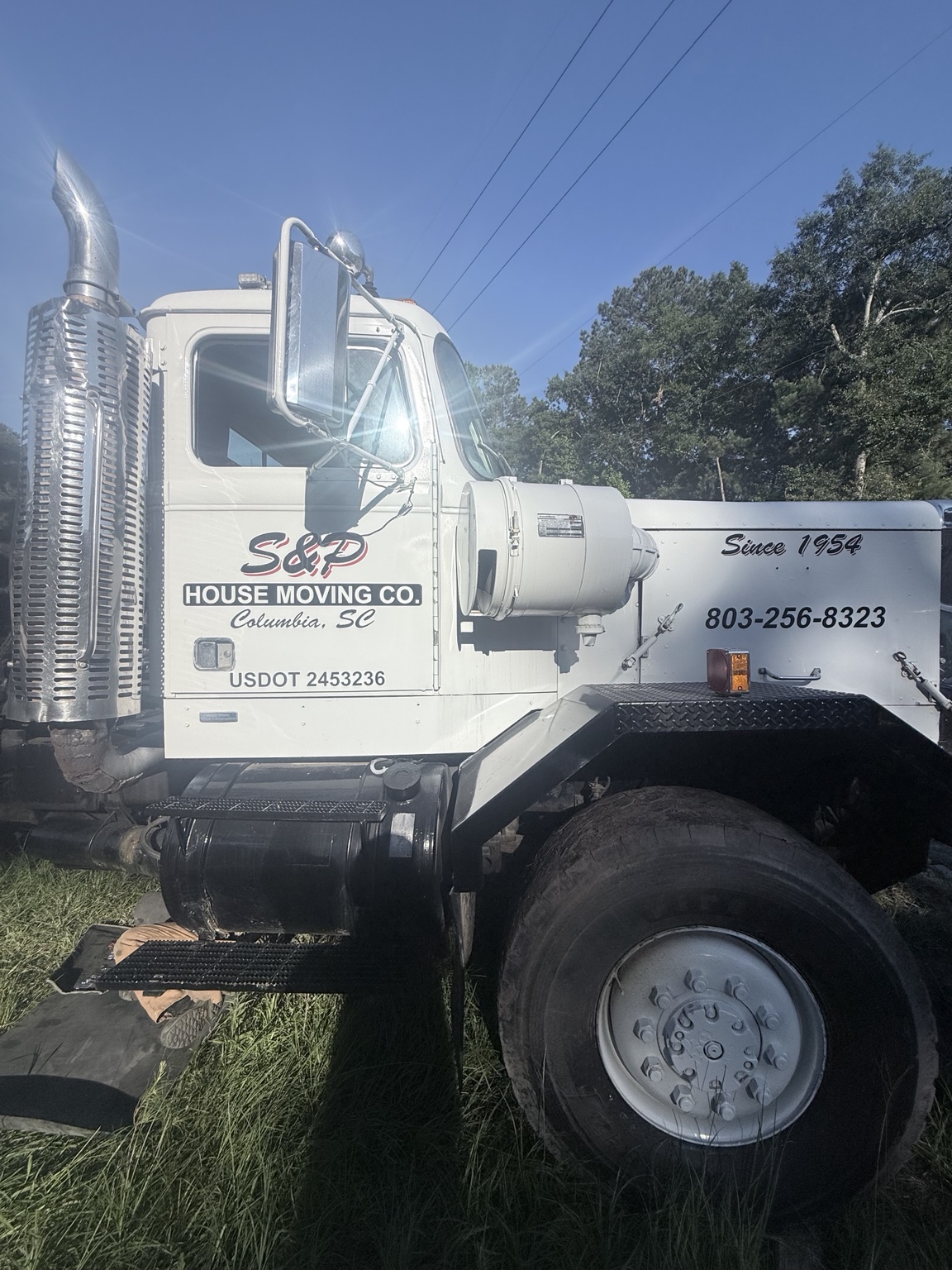
1985 Autocar: we work on any truck
If it runs diesel and needs help, we'll show up. Age is not a barrier: classic, vintage, or modern.
Diesel Check Engine & Warning Lights
A warning light on a commercial diesel is the truck telling you something failed a self-test. We come to your yard, jobsite, or roadside, pull the actual fault codes and live data, and tell you what triggered the light before it turns into a derate or a no-start. No guessing, no parts cannon.
What Sets the Light Off
NOx, temperature, pressure, and position sensors that read out of range, plus the wiring, connectors, and grounds behind them, a frequent cause of a light with no obvious symptom.
DEF quality and level faults, SCR efficiency, incomplete regens, and DPF soot load, the emissions codes most likely to escalate into a countdown to derate.
Sticking EGR valves, cooler faults, and flow or temperature codes that set the light and quietly hurt fuel economy and power.
Rail pressure, injector, turbo, boost, and charge-air faults that show up as a warning light along with rough running, smoke, or lost power.
Read the Codes, Don't Guess
A check engine light is a starting point, not a diagnosis. A generic reader will spit out a code, but the same code can come from a failed sensor, a wiring fault, or the system that sensor is watching. Replacing the obvious part without confirming the cause is how a cheap fix turns into three expensive ones.
We pull the full picture at the truck (active, stored, and pending codes, freeze-frame conditions, and live sensor data), then test the circuit to confirm what actually failed. You get the real answer and a clear repair direction instead of a parts receipt and a light that comes right back.
Why Ignoring It Costs More
Many emissions faults show a warning light long before the truck loses power. Reading it now is the cheapest point in the whole problem.
Aftertreatment and NOx faults start an hours-based countdown to a speed derate. Ignore the light and the truck limits its own power for you.
A 5 mph limp mode strands the truck wherever it happens (a lane, a customer's dock, the interstate) and turns a scan into a recovery.
A live light can hide new codes as they set. Clearing it blind erases the history we need to see the pattern.
A failed sensor or sticking valve is inexpensive. The forced regen, clogged DPF, or roadside call it leads to is not.
Catching the cause on-site keeps the truck on the road and the schedule intact instead of parked waiting on a tow.
Call or text Lowcountry Diagnostics and we will read the codes at the truck.
It depends on why the light is on. A steady check engine light with normal power may be fine to finish the day, but a flashing light, a rising DEF or aftertreatment warning, or any power loss means you should stop and get it read before it derates. When in doubt, call and we will help you decide.
Yes. We are mobile and bring the scan tools to the truck at your yard, jobsite, terminal, or roadside anywhere in the Charleston area. We pull active and stored codes, freeze-frame data, and live sensor readings on-site.
Clearing a code without fixing the cause almost always brings the light back, and on emissions faults it can reset the derate countdown to a worse point. We diagnose the actual failure first so the repair holds instead of masking a problem that gets more expensive.
Yes. Many diesel faults, especially aftertreatment and NOx sensor issues, start with a warning light and no drivability change, then escalate into a speed derate or a 5 mph limp mode within a set number of hours. Reading it early is far cheaper than reacting after a derate.
Tell us where the truck is and what the light is doing. For a flashing light or any power loss, calling or texting is fastest.
Losing power or seeing a derate warning? Call or text (843) 310-0995 now.
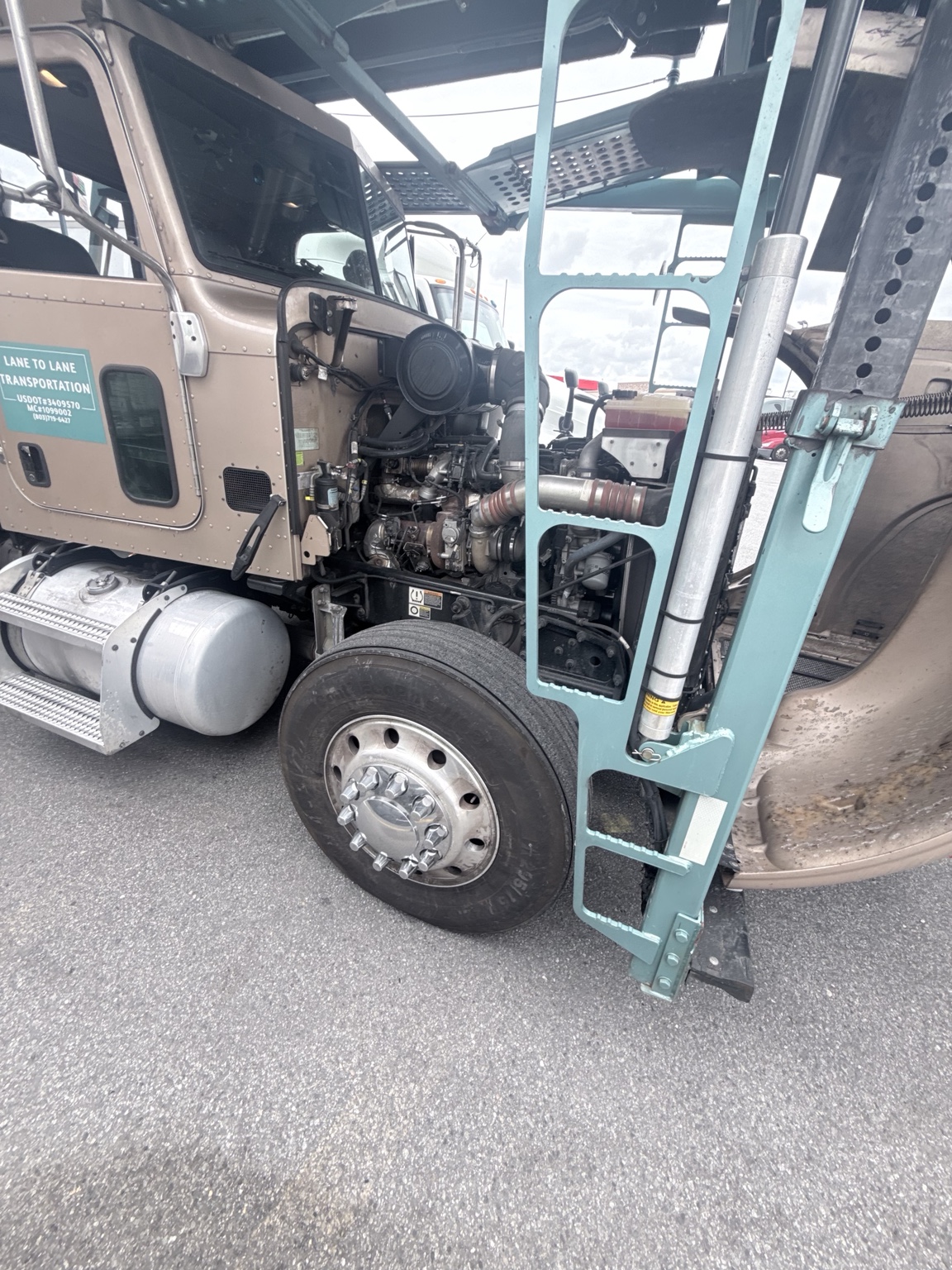
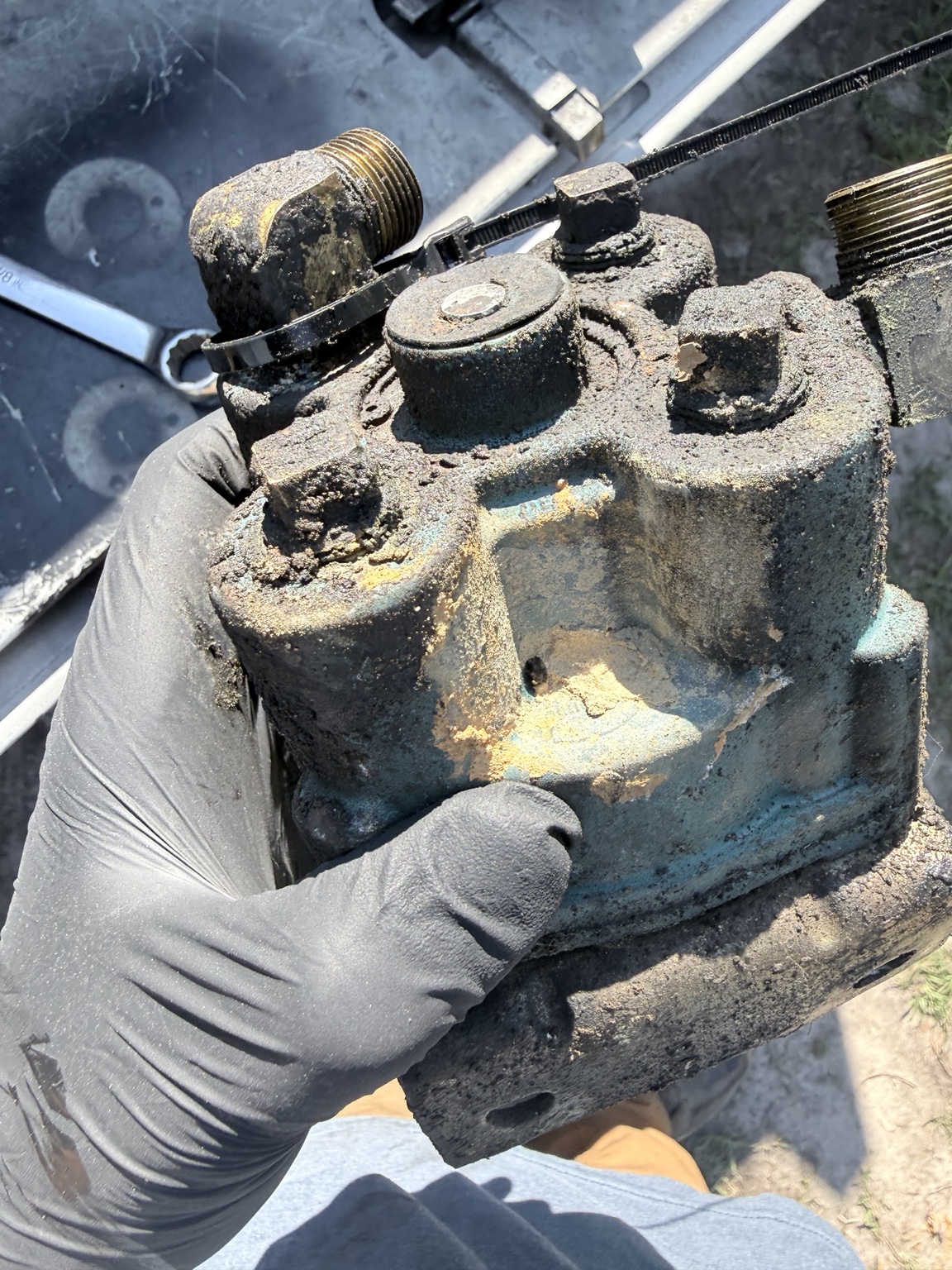
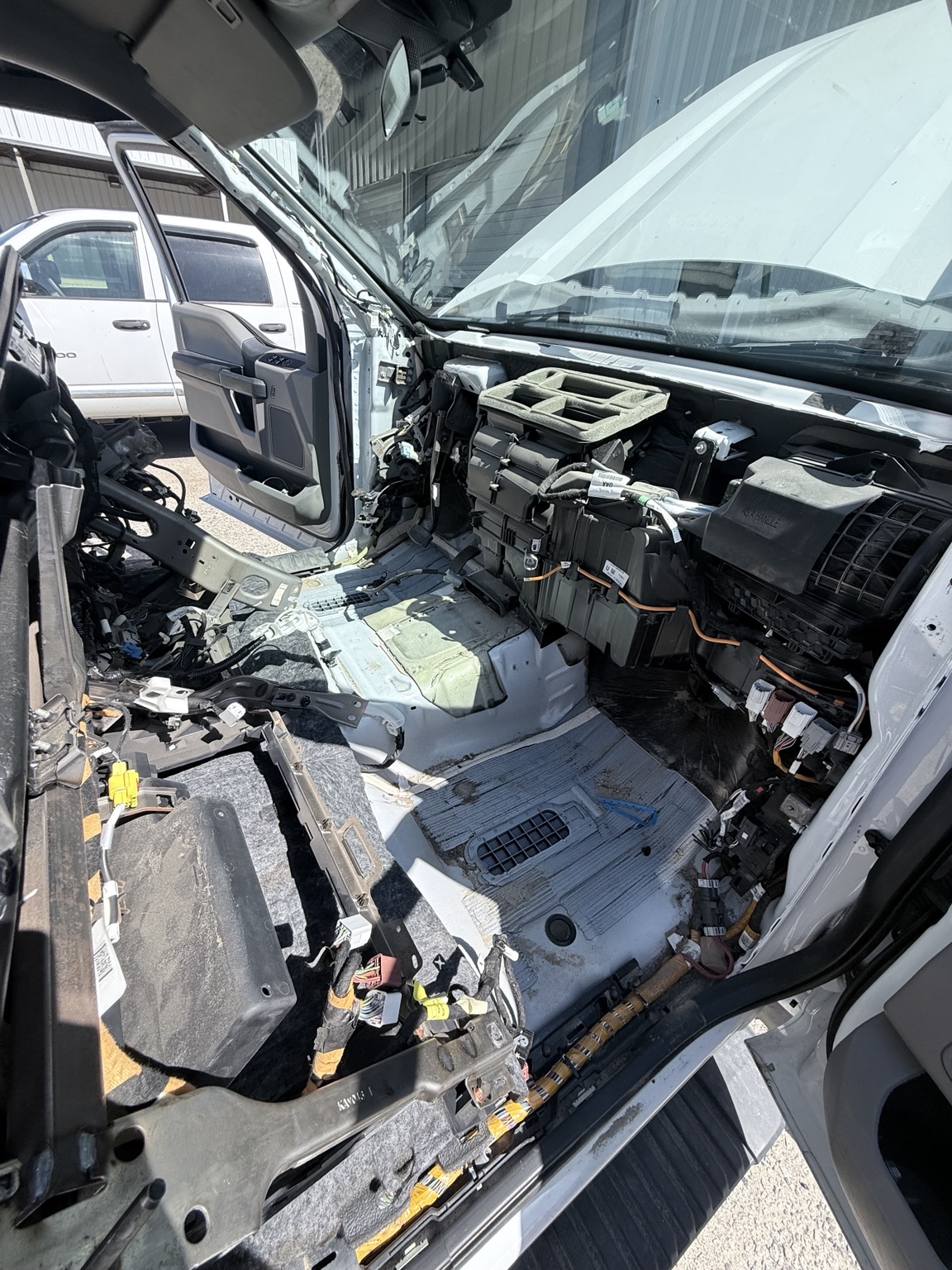
Recent Repair Photos
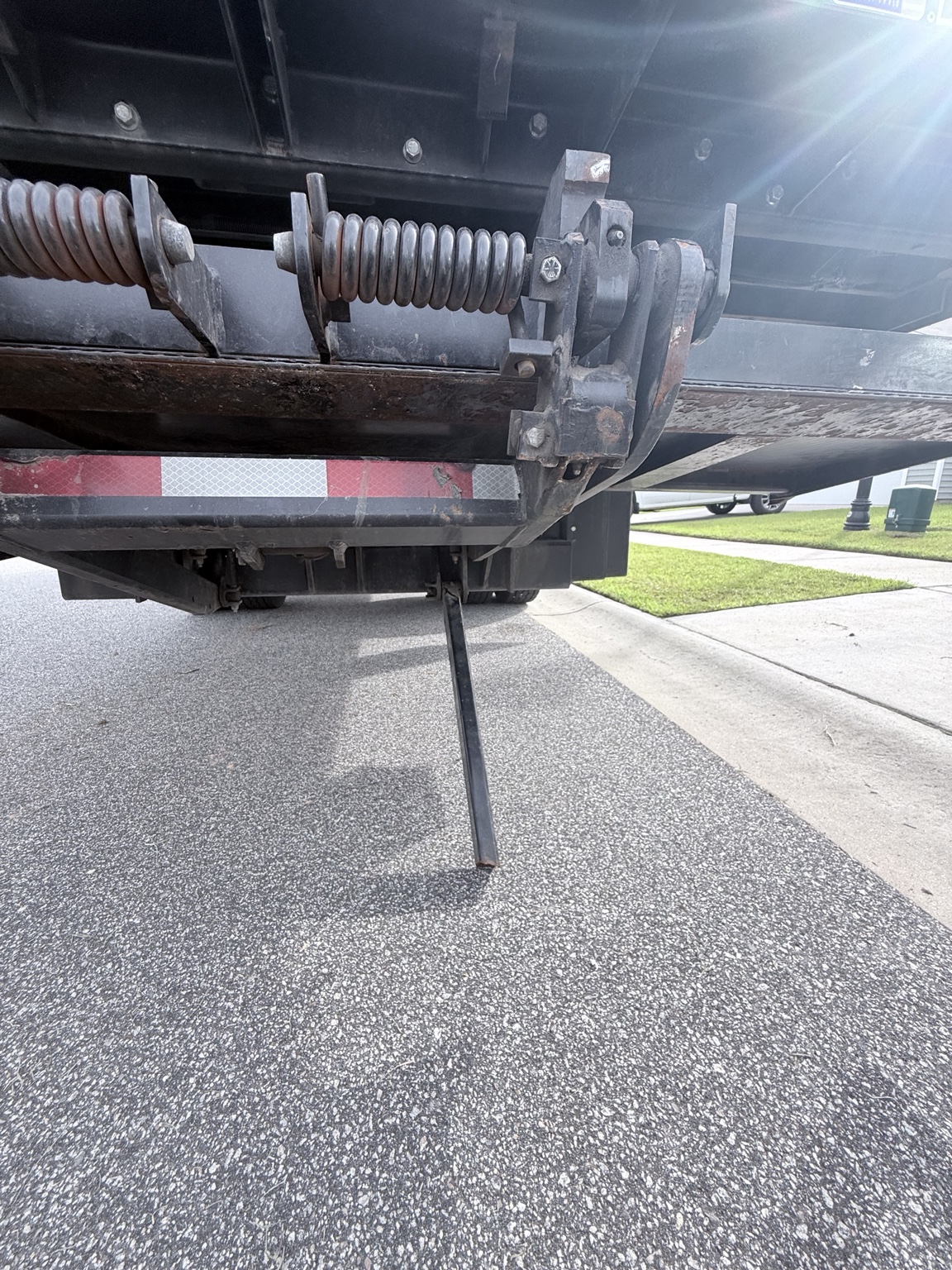
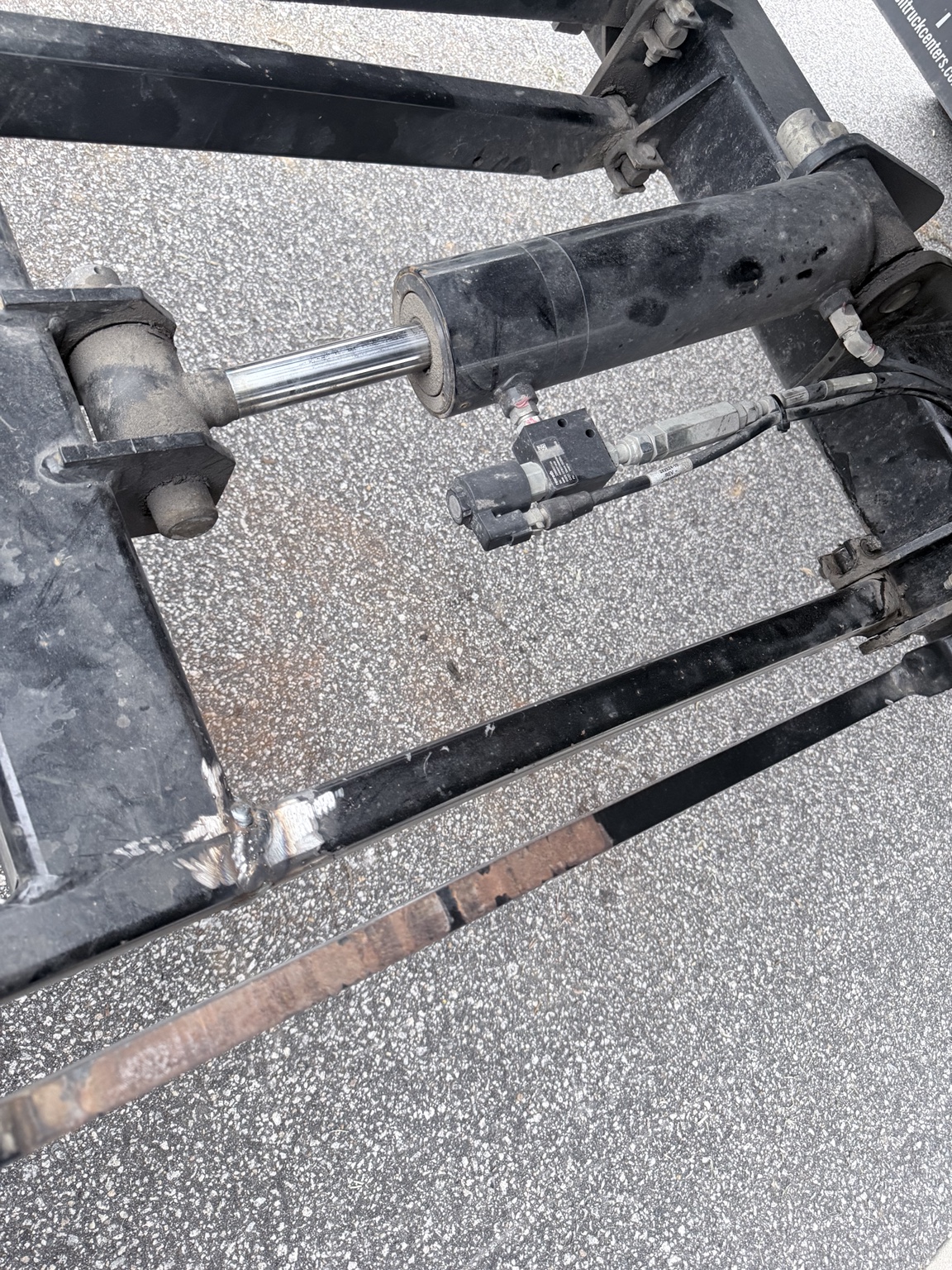
Real field photos from Lowcountry Diagnostics, from engine diagnostics and electrical to hydraulic, HVAC, and heavy-duty truck service, handled on-site across the Charleston area.
Reviews
“These gentlemen are very helpful and methodical about the way they go about diagnosing your truck I recommend them”
“He stayed on top of troubleshooting and never stopped until everything was fixed.”