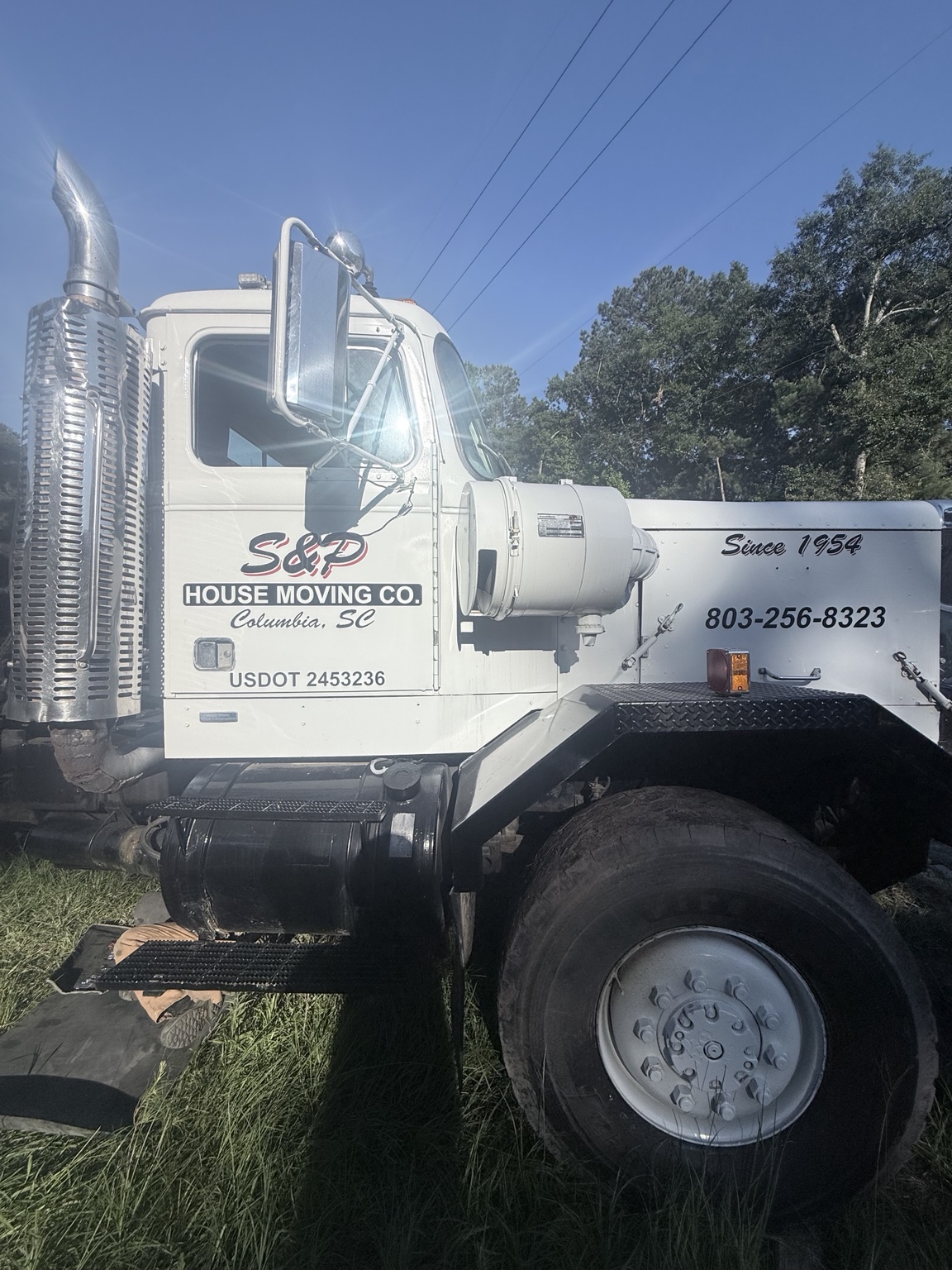
1985 Autocar: we work on any truck
If it runs diesel and needs help, we'll show up. Age is not a barrier: classic, vintage, or modern.
DEF & SCR System Faults
A DEF fault on a commercial diesel is a clock, not a light. We come to your yard, jobsite, or roadside, read the DEF and SCR codes, and separate a bad quality or NOx sensor from a real dosing or catalyst problem, before the derate countdown drops the truck to a crawl.
What Fails in the DEF System
Off-spec, diluted, or contaminated fluid and failed quality or level sensors that flag a fault and start the derate timer even when nothing mechanical has broken.
Clogged or crystallized DEF dosing injectors, pump and pressure faults, and metering problems that stop the system from dosing correctly.
Degraded or contaminated SCR catalysts and low-efficiency codes that keep the truck from cleaning NOx no matter how much DEF it doses.
Inlet and outlet NOx sensors that drift or fail, throwing efficiency and dosing faults that look like an SCR problem but are really a sensor.
Test Before You Replace
DEF faults are notorious for looking like one thing and being another. A quality code can be bad fluid or a bad sensor. A low-efficiency code can be a tired SCR or a drifting NOx sensor. Swapping the obvious part is how shops end up replacing a DEF pump, a NOx sensor, and an SCR before finding the crystallized dosing injector that started it.
We read the DEF and SCR codes at the truck, check dosing and pressure, verify the fluid, and test the NOx and quality sensors against live data. You get a confirmed cause and a clear repair direction instead of a stack of parts and a fault that returns, and we stop the derate countdown before it strands the unit.
How We Work the DEF Fault
Active, stored, and pending faults with freeze-frame data show which part of the DEF and SCR system flagged first.
We check where the countdown stands (warning, power reduction, or speed limit) so you know exactly how much time the truck has.
Quality, concentration, and contamination are checked before we blame a sensor, since bad fluid is a top cause of a quality fault.
We confirm the dosing unit and injector are building pressure and metering DEF instead of clogging or crystallizing.
Inlet and outlet NOx readings and SCR efficiency data separate a drifting sensor from a genuinely degraded catalyst.
You get the confirmed cause, the fix, and, where appropriate, the reset needed so the derate does not immediately return.
Call or text Lowcountry Diagnostics and we will diagnose it at the truck.
It varies by fault and engine, but most DEF-related faults start a warning phase and then step the truck down in power over a set number of hours or key cycles, often ending in a 5 mph crawl. Once the light is on, treat it as a countdown and get it diagnosed before power is cut.
Yes. Diluted, contaminated, or off-spec DEF is one of the most common causes of a quality fault. The quality sensor flags it, the truck logs a code, and the derate timer can start even though nothing mechanical has failed. We verify the fluid and the sensor rather than assuming one or the other.
It can be either, and they set similar warnings. A NOx or quality sensor can fail, the dosing injector can clog, or the SCR catalyst itself can be degraded. We read the codes and live data at the truck to separate a bad sensor from a real dosing or SCR issue before anything gets replaced.
Yes. We are mobile and come to your yard, jobsite, terminal, or roadside in the Charleston area. We pull DEF and SCR codes, check dosing and pressure, test the NOx and quality sensors, and give you a clear repair direction on location.
Tell us where the truck is and what the DEF warning is showing. If the truck is in a power or speed derate, calling or texting is fastest.
In a derate or a 5 mph crawl? Call or text (843) 310-0995 now.
Recent Repair Photos
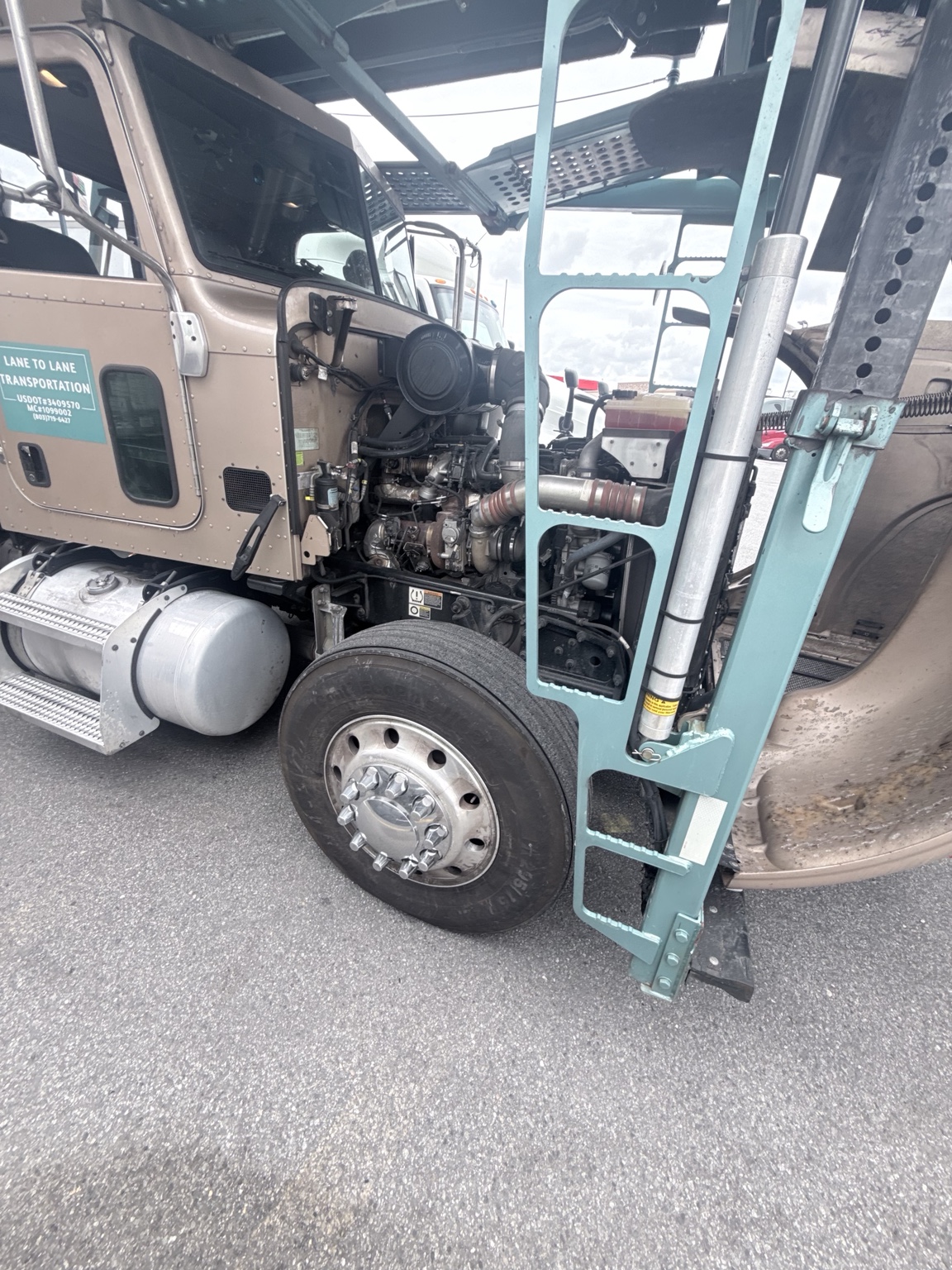
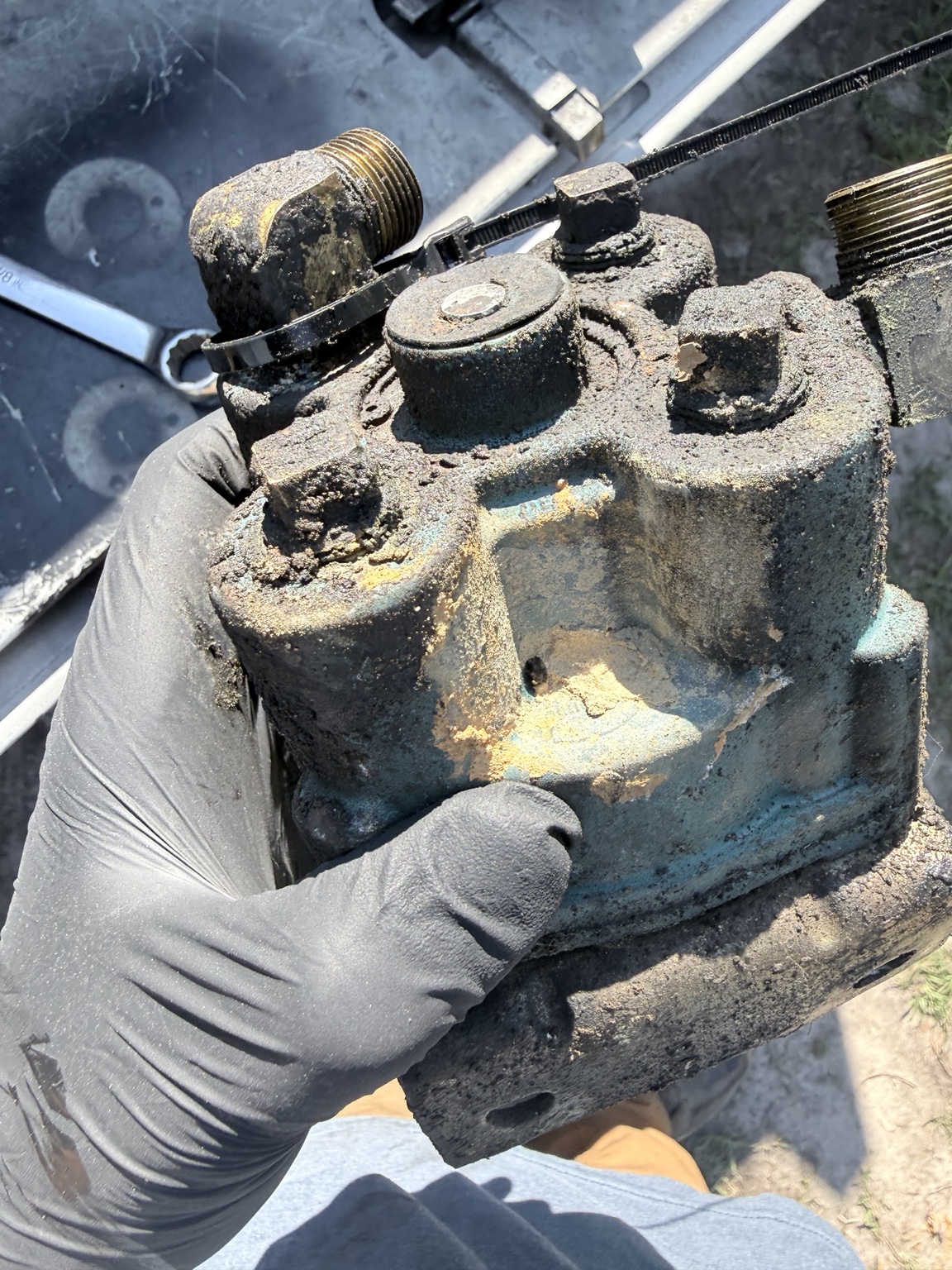
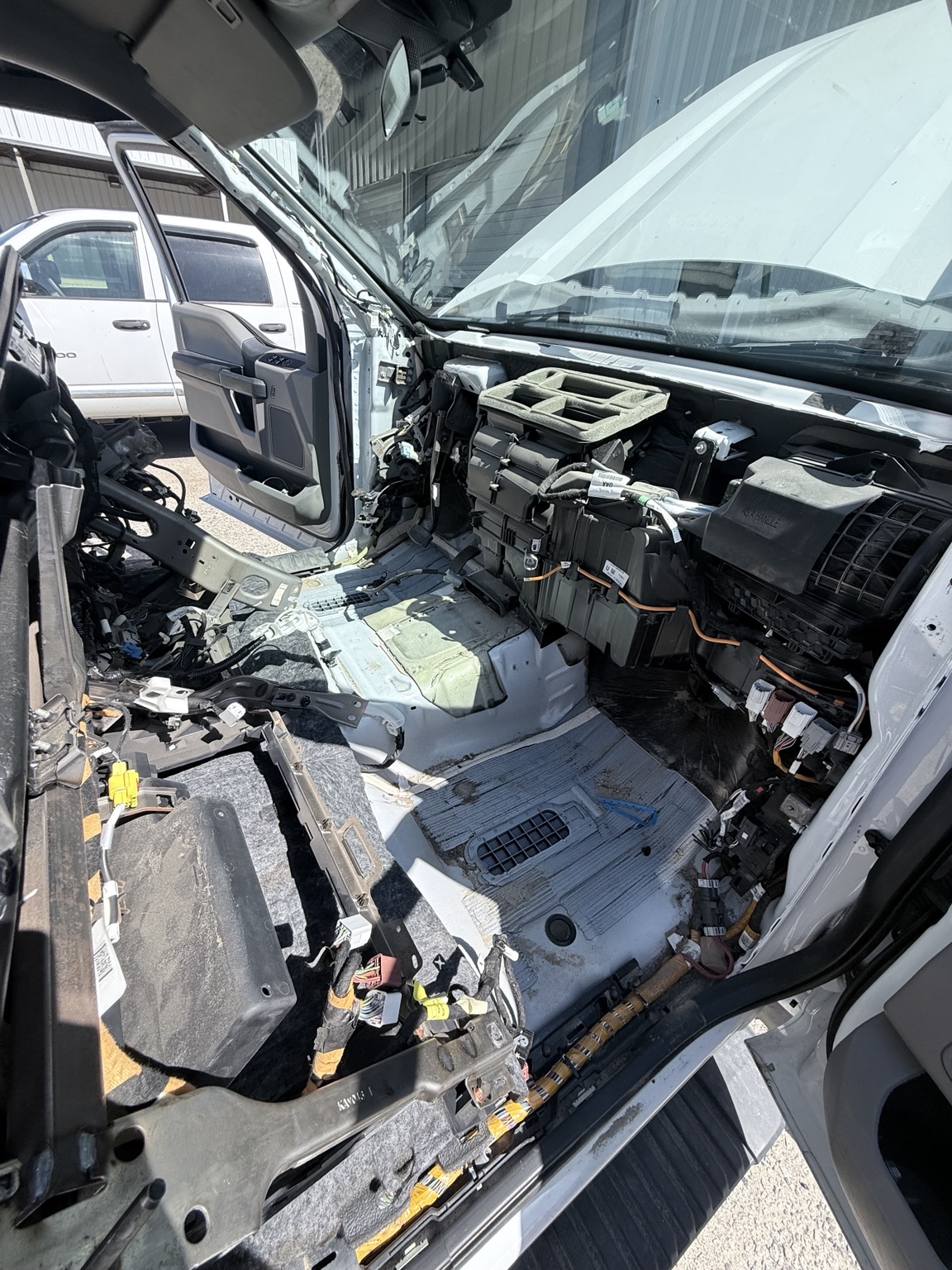
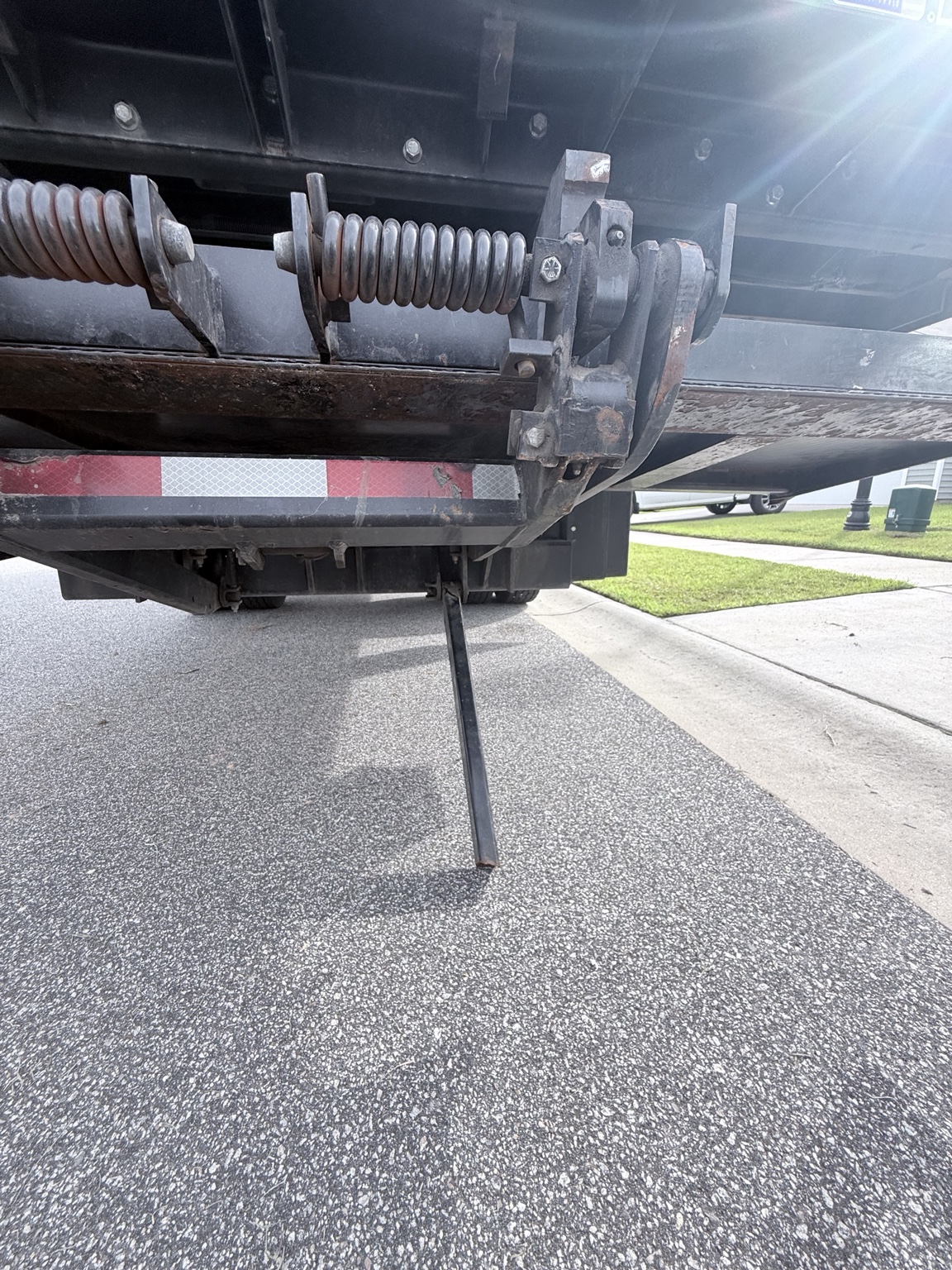
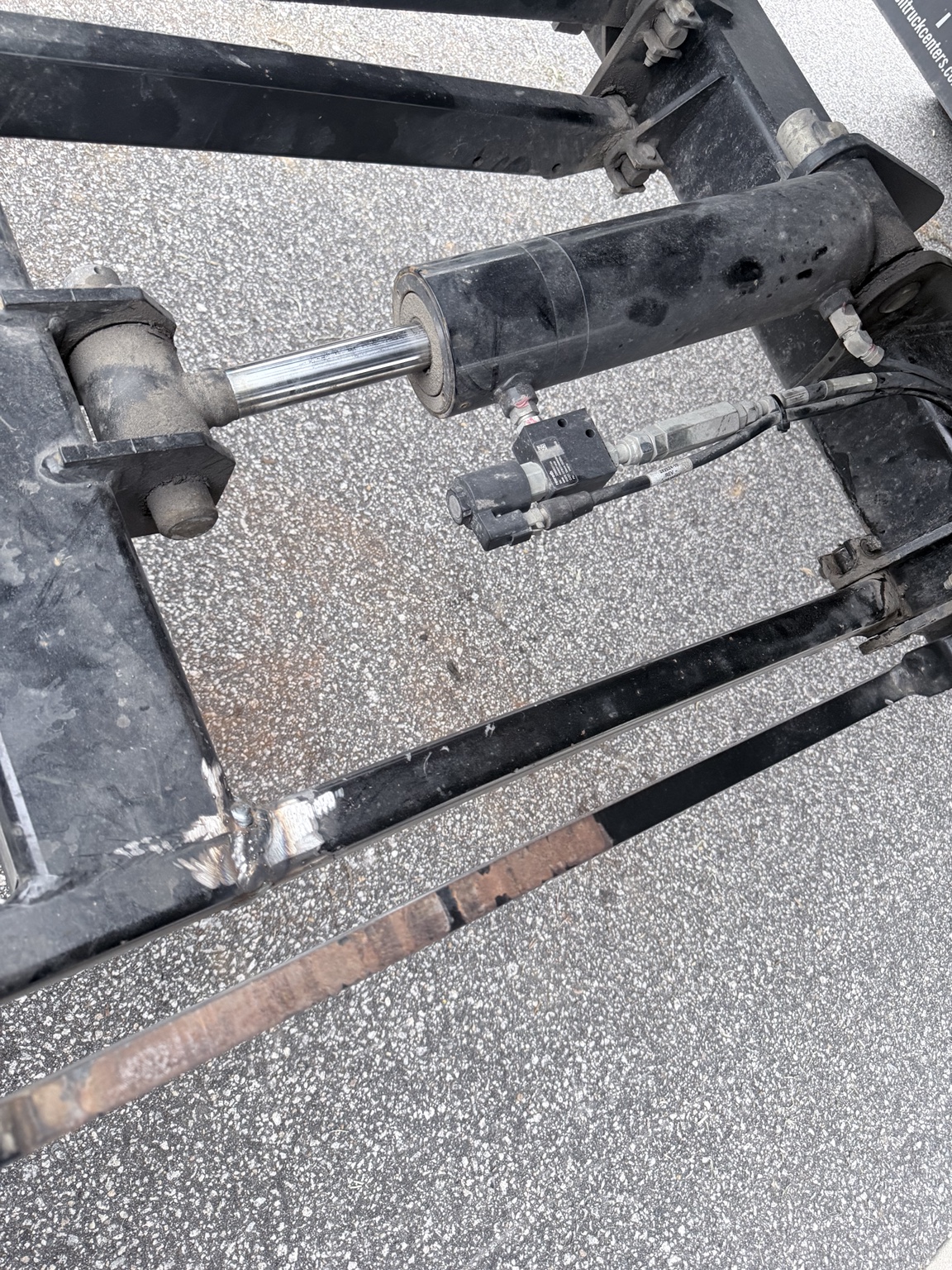
Real field photos from Lowcountry Diagnostics, from engine diagnostics and electrical to hydraulic, HVAC, and heavy-duty truck service, handled on-site across the Charleston area.
Reviews
“These gentlemen are very helpful and methodical about the way they go about diagnosing your truck I recommend them”
“He stayed on top of troubleshooting and never stopped until everything was fixed.”